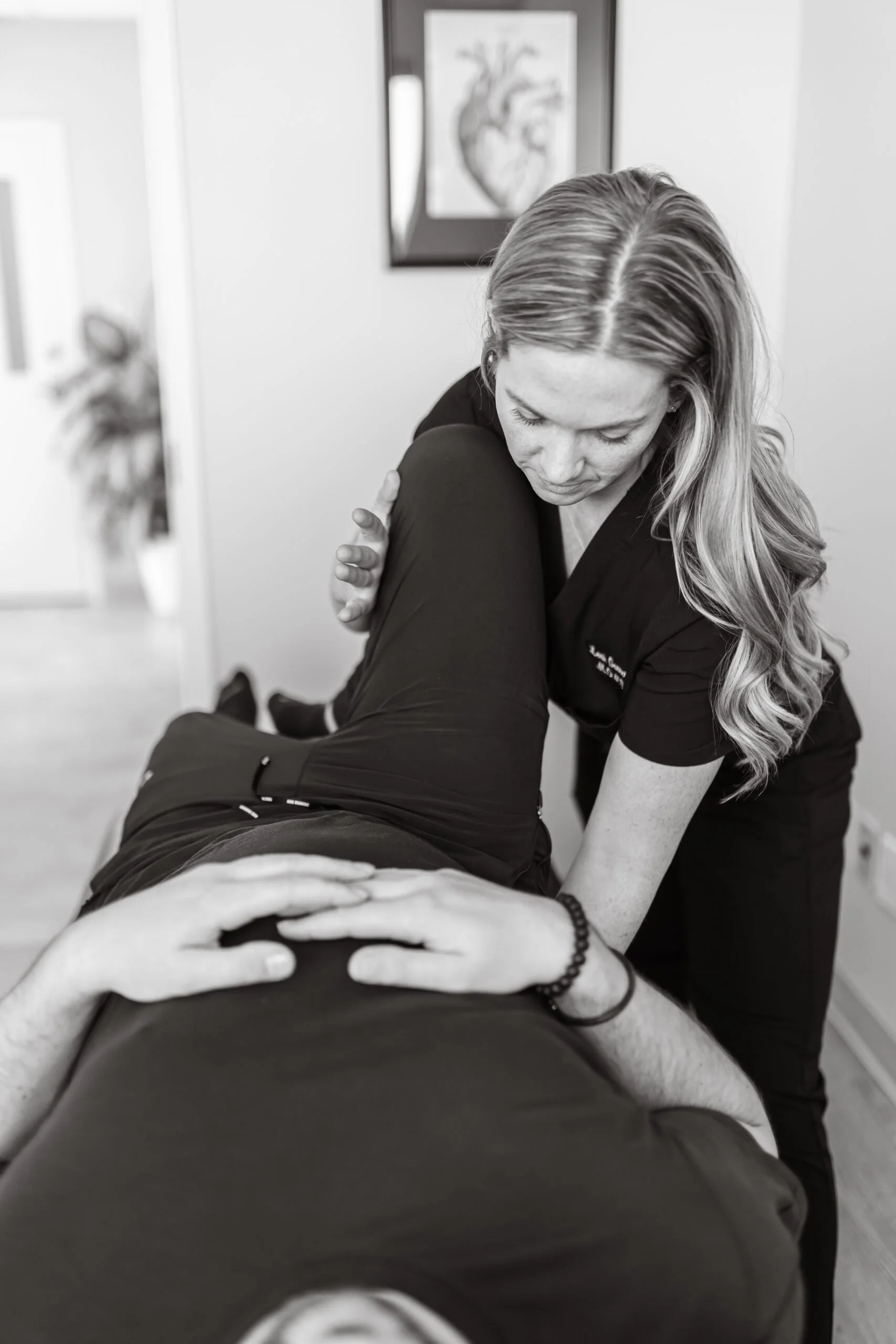
About Osteopathy
Osteopathy is a hands-on form of healthcare that focuses on how the body moves, adapts, and functions as a whole. Rather than isolating symptoms, osteopathy looks at the relationships between muscles, joints, fascia, organs, breathing, and the nervous system to understand why pain, tension, or dysfunction is showing up in the first place.
Treatment begins with a full-body assessment to identify areas where movement, coordination, or tissue quality have been lost. Using gentle, precise manual techniques, osteopathy aims to restore mobility, improve circulation, and support nervous system regulation. The goal is not to fix the body, but to remove obstacles so the body can regulate, heal, and adapt more efficiently on its own.
Osteopathy is well suited for people dealing with persistent or recurring pain, postural strain, stress-related tension, or injuries that do not fully resolve with isolated treatments. It is also valuable for those who want their body to better support an active, demanding life without constantly breaking down or flaring up.
In Canada, osteopathic practitioners are represented by organizations such as Osteopathy Canada, which promotes high standards of education and practice. At its core, osteopathy is about helping your body work better as an integrated system so movement feels easier, recovery is more efficient, and pain has less reason to return.
What we treat
Osteopathic Treatment helps you to recover from
Musculoskeletal injuries
Back Pain
Surgery (pre and post)
Pregnancy discomfort
Digestive issues
Migraines, headaches, and concussion rehab
TMJ pain and jaw dysfunction
and much more…
How it works
With a deep understanding of anatomy and physiology, and with excellent palpation skills, an Osteopathic Manual Therapist is able to detect and treat restrictions in tissues, blood flow, nerve supply, and lymphatic movement. We don’t focus on the symptom. We look for the root cause of the problem.
Who we treat
Children & Newborns
Teens
Adults
Seniors
Pregnant Women
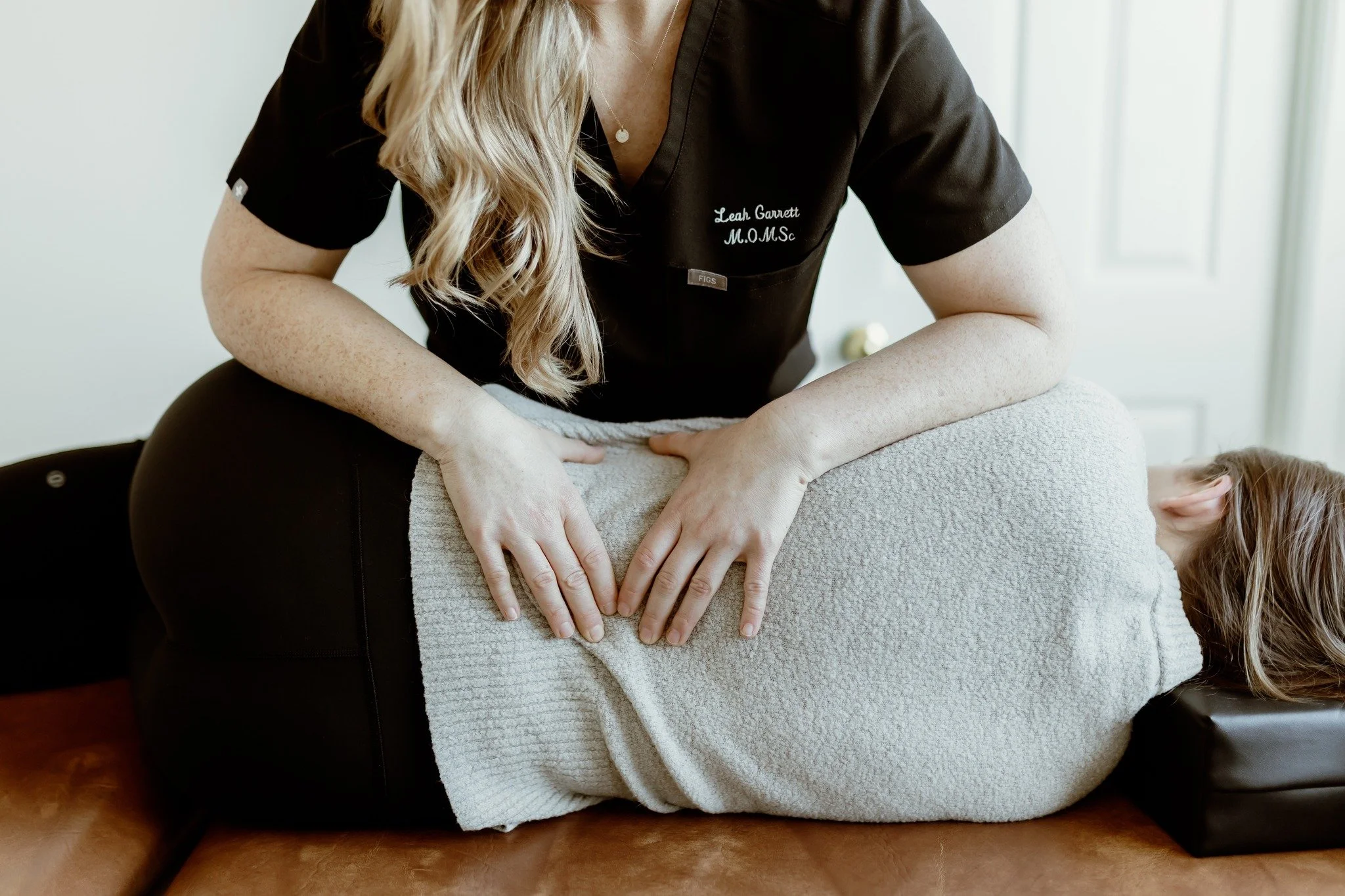
Services
-
The core of osteopathic treatment, this includes:
Soft tissue manipulation
Joint mobilization
Stretching and resistance techniques
Myofascial release
Gentle spinal adjustments (if appropriate)
-
Osteopaths assess how your body moves and how posture may be contributing to pain or imbalance. This helps guide treatment and long-term management.
-
Ongoing care to help manage conditions like arthritis, fibromyalgia, repetitive strain injuries, or tension headaches through hands-on therapy and lifestyle advice.
-
Gentle, safe treatment for:
Lower back and pelvic pain
Postural changes
Tension related to pregnancy
Support is also offered postnatally to assist recovery.
-
Osteopaths treat sprains, strains, and muscle imbalances, aiming to speed up recovery, prevent re-injury, and enhance athletic performance.
-
Osteopathic techniques can help relax the nervous system, improve circulation, and reduce tension held in the body due to stress or overwork.
-
Gentle treatments for infants and children, often used for unsettled behaviour, or postural concerns.